How Robert Downey Jr found Doctor Doom’s Latverian voice
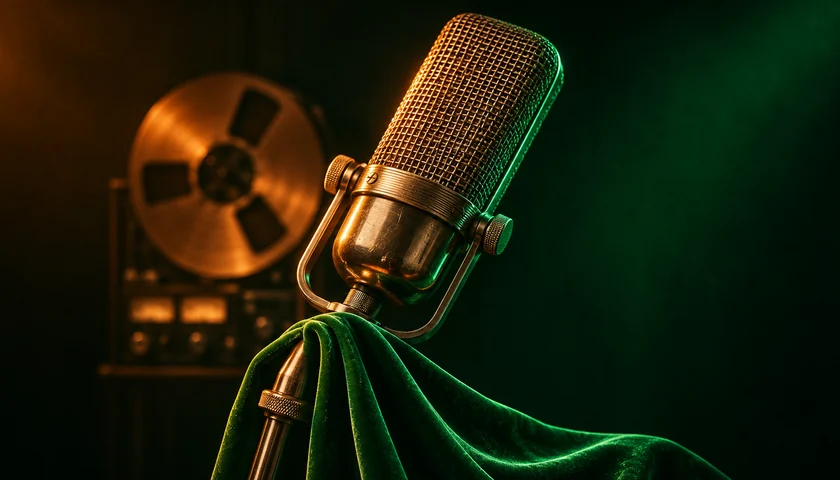
One word worth replaying in the Avengers: Doomsday trailer is “stolen”. Listen to how long Robert Downey Jr lets the S hang before he lands on the T. Where does that voice come from? Marvel’s fictional country of Latveria has a Hungarian connection on paper. Downey says he began finding the voice itself by recording a speech to the people Doom rules.
Watch Elijah’s 90-second breakdown of Doom’s accentHideShow
In Accentify’s original Reel, Elijah Khan shows the page behind the Hungarian connection at about 0:23. Jump to 1:02 for his demonstration of stolen, then listen for the same sound in started about fifteen seconds later.
Why Hungarian comes up
In 1992, Scott Davis wrote a visitor’s guide to Latveria for people sitting round a gaming table. It appears in The Domains of Doom, a licensed supplement for TSR’s Marvel Super Heroes game. On printed page 9, the guide lists both Hungarian and Latverian among the languages spoken there. It calls Latverian a “local dialect, derivative of Hungarian”.
For a player, that answers a practical question. Which languages might your character hear on arriving in Latveria? The book leaves Doom’s English pronunciation open. The word he says in the trailer is stolen, and Downey has described how he began making that voice his own.
A voice note to the people of Latveria
Downey told Empire that he initially had reservations about taking the voice in an Eastern European direction. As GamesRadar+ reports from the interview, he wrote a manifesto for Doom and recorded himself delivering it to his people. A speech gives an actor something quite specific to try. Say “my people” as someone asking to be elected. Now say it as someone who considers the matter settled.
Director Joe Russo remembers the moment it clicked. He and his brother were in Downey’s trailer running lines. Downey had tried several accents, then slipped into one that made the brothers recognise Doom. In Russo’s account to Entertainment Weekly, that happened before they got on set. His memory gives us the rehearsal room. The finished trailer lets us hear what made it out of there.
When audiences first heard the voice in the July trailer, GamesRadar+ collected different reactions. One viewer was relieved Doom sounded different from Tony Stark. Another heard Nandor, the vampire from What We Do in the Shadows. Try listening to the same two words before you decide who you hear.
Listen to the S in ‘stolen’ and ‘started’
Hear the two lines in Marvel Studios’ final trailerHideShow
In Marvel’s trailer from 1:23, Doom says, “All of you have lived stolen lives.” Listen through to stolen at about 1:29. There’s a stretch of air you can hold on the S, then a tiny interruption as the tongue closes for the T. Try saying the word and stopping the instant you reach the T. Which part could you have kept going?
Jump to 2:16 to hear “Let’s get started”. It’s the sort of thing you could say at the beginning of a meeting. Coming from behind Doom’s mask, it lands rather differently. Listen for the S at the beginning of started, just after get. You now have two words with different vowels and the same opening consonants. Follow just that join on the replay. You can also watch the complete trailer on Disney.
Turn an invitation into an order
Record yourself saying “Stay for dinner.” A friend has picked up their coat and you’d like another hour with them. Play it back and notice how quickly you got through the start of stay.
Now give the line to Doom. The guest has reached the palace door and you’ve decided they’re staying. Keep your usual vowels and volume. Give the S a little longer before you let the T break it. Listen back with your eyes closed. Does the guest still sound as though they have a choice?
If you want to take that voice beyond a single line, try Accentify’s character dialogue exercise. It gives you a second take with a different intention, so you can hear which parts of the voice survive the change.